
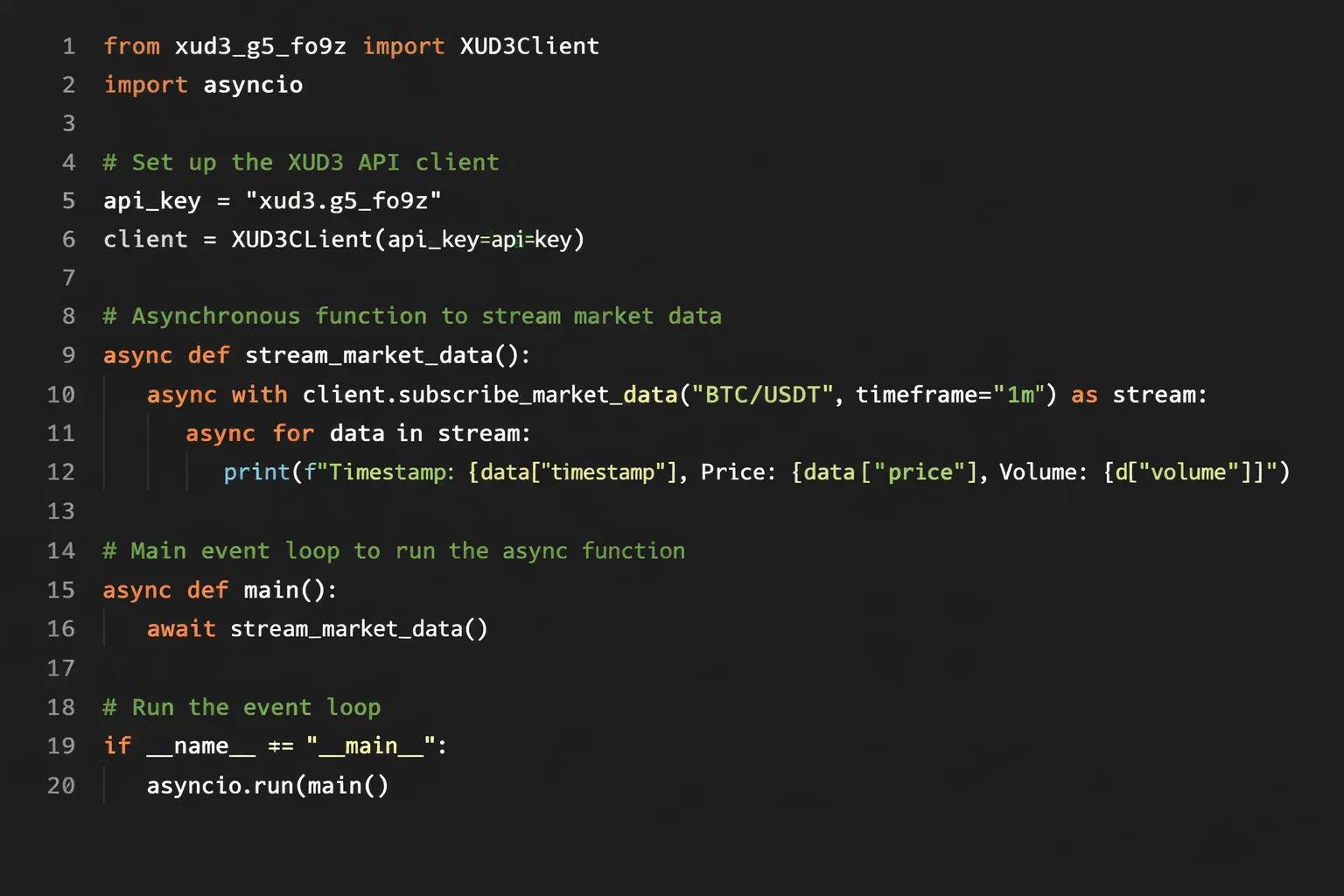
Many developers search for strange terms online today. They often find confusing error messages in logs. One such term is xud3.g5-fo9z python code. It looks like a specific library name to some. However, it causes confusion for many people globally. You might see this in your error logs. It often appears during standard import errors. Understanding this helps you solve the problem fast. We will explore the meaning in detail today. This guide helps beginners fix the issue easily. Let us dive into the technical details now.
Table of Contents
What is xud3.g5-fo9z Python Code
It appears as a strange Python module name. Sometimes it shows up in your error logs. It looks like a random string of characters. Developers often think it is a new package. But it is usually a mistake in coding. It might be a typo in your script. Or it could be a corrupted system file. You need to investigate your code carefully now. It does not match standard naming conventions. Python modules usually have clear and readable names. This string looks generated or accidentally created. You should treat it as an unknown variable.
Is xud3.g5-fo9z a Real Python Module
No, it is not a real Python module. You cannot find it on the PyPI website. It is not part of standard Python libraries. Searching for it yields no official results online. This means your code has a specific problem. You should not try to install it blindly. Instead, check your import statements closely today. Real modules have documentation and community support. This string lacks any public documentation or history. It is likely a placeholder or a glitch. Treat it as an invalid reference in code.
Why Developers See the xud3.g5-fo9z Python Error
Environment issues often cause strange errors like this. Incorrect code leads to unknown module names frequently. Sometimes malware creates fake module names in scripts. Or a simple copy-paste error occurs in files. Your IDE might suggest wrong completions automatically. This leads to the xud3.g5-fo9z python error. Users might also encounter this in shared projects. A teammate might have committed wrong code recently. Always check the version control history for changes. Understanding the source helps you fix it faster.
Common Causes of xud3.g5-fo9z Python Code Error
There are several reasons for this specific issue. You need to check each possibility carefully. Here are the most common causes listed below.
- incorrect import statements in your main script
- wrong Python environment selected in your IDE
- dependency conflicts between installed packages locally
- corrupted Python installation on your operating system
- invalid module naming conventions used in files
Each cause requires a different solution approach. You must identify the root cause first. Do not guess when fixing coding errors. Systematic troubleshooting saves time and effort.
Example of xud3.g5-fo9z Python Code Error
Here is a simple example of the error. You might write code that looks like this.
import xud3.g5-fo9zExplain why this code causes an error. Python cannot find a module with this name. It will raise a ModuleNotFoundError immediately. The hyphen in the name is also invalid. Python module names cannot contain hyphens usually. They should use underscores instead for separation. This syntax error triggers the failure instantly. You need to correct the name properly. Always use valid characters for module names.
Step-by-Step Guide to Fix xud3.g5-fo9z Python Code Error
Follow these steps to resolve the issue completely. Each step builds on the previous one logically.
Step 1 – Check Python Version
You need to know which Python version runs. Use the command line to check this status.
python --versionThis command shows the active Python version number. Ensure it matches your project requirements file. Older versions might not support new packages. Newer versions might break old dependencies easily. Compatibility is key for stable code execution.
Step 2 – Verify Installed Packages
Check what packages are currently installed globally. This helps identify missing or conflicting libraries.
pip listLook for any package resembling the error name. You will likely not find it in the list. This confirms the module does not exist locally. It also shows if your pip is working. A broken pip can cause many installation issues.
Step 3 – Fix Import Statements
Explain valid Python import rules to your team. Module names must follow specific naming guidelines. They cannot start with numbers or special symbols. Hyphens are not allowed in import paths. Use underscores to separate words in names. Correct the line causing the import failure. Save the file and run the script again.
Step 4 – Reinstall Dependencies
Sometimes packages get corrupted during installation processes. You should reinstall all project dependencies fresh.
pip install -r requirements.txtThis command reads your requirements file carefully. It installs every package listed in that file. Ensure the file does not contain the bad name. Remove any invalid entries before running the command. This ensures a clean environment for your code.
Step 5 – Reinstall Python if Necessary
If nothing works, your Python install might be broken. You should reinstall Python on your machine. Download the latest version from the official site. Uninstall the old version completely first. Then install the new version carefully. This fixes deep system-level configuration issues. It is a last resort for stubborn problems.
Troubleshooting Table
Use this table to match problems with solutions. It provides a quick reference for common issues.
| Problem | Solution |
|---|---|
| Invalid module name | Correct the import statement |
| Dependency conflict | Reinstall packages |
| Broken environment | Create new virtual environment |
| Wrong Python version | Update or downgrade Python |
| Typo in code | Review and edit script |
This table helps you diagnose issues quickly. Keep it handy when debugging your scripts. It saves time during complex troubleshooting sessions.
Best Practices to Avoid Python Import Errors
Follow these tips to prevent future import errors. Good habits lead to stable and clean code. Always use virtual environments for every project. This isolates dependencies and prevents global conflicts. Name your modules clearly and descriptively. Avoid using random strings for file names. Keep your requirements file updated regularly. Remove unused packages to reduce clutter. Test your imports before deploying code. Use linting tools to catch syntax errors. These tools highlight invalid names automatically. Consistent practices reduce the chance of errors.
Frequently Asked Questions (FAQ)
Here are answers to common questions about this topic.
What is xud3.g5-fo9z python code?
It is likely a typo or invalid module name. It is not a standard library or tool.
Is xud3.g5-fo9z a real Python module?
No, it does not exist in public repositories. You cannot install it via pip safely.
Why does Python show unknown module errors?
Python shows this when it cannot find imports. It means the name is wrong or missing.
How can I fix Python dependency issues?
You can fix them by reinstalling packages. Use a virtual environment to isolate them.
How do I avoid Python import errors?
Follow naming conventions and check spelling carefully. Use linting tools to catch mistakes.
Conclusion
We have explored the xud3.g5-fo9z python code mystery. It is not a real module or library. It represents a coding mistake or environment issue. You should not try to install it directly. Instead, check your import statements for typos. Verify your Python environment and installed packages. Follow the step-by-step guide to fix it. Use best practices to prevent future errors. Clean code leads to fewer debugging sessions. Keep your dependencies updated and organized always. This ensures your projects run smoothly every time. If you need how to fix xud3.g5-fo9z python issues, start with the basics. Simple checks often solve complex-looking problems. Happy coding and debugging your scripts today.
Read More Blogs – How to Fix xud3.g5-fo9z Python Error: Step-by-Step Guide
